Fan Girls At Work
Why I-DOL I understands fandom better than most media portrayals
What makes I-DOL I compelling is not novelty, but accuracy, particularly in the way it depicts fandom as something that exists comfortably alongside adulthood rather than in opposition to it. The drama presents fans who are lawyers, creatives, and professionals with full lives, responsibilities, and routines, and crucially it does not frame their devotion as something they should eventually abandon.
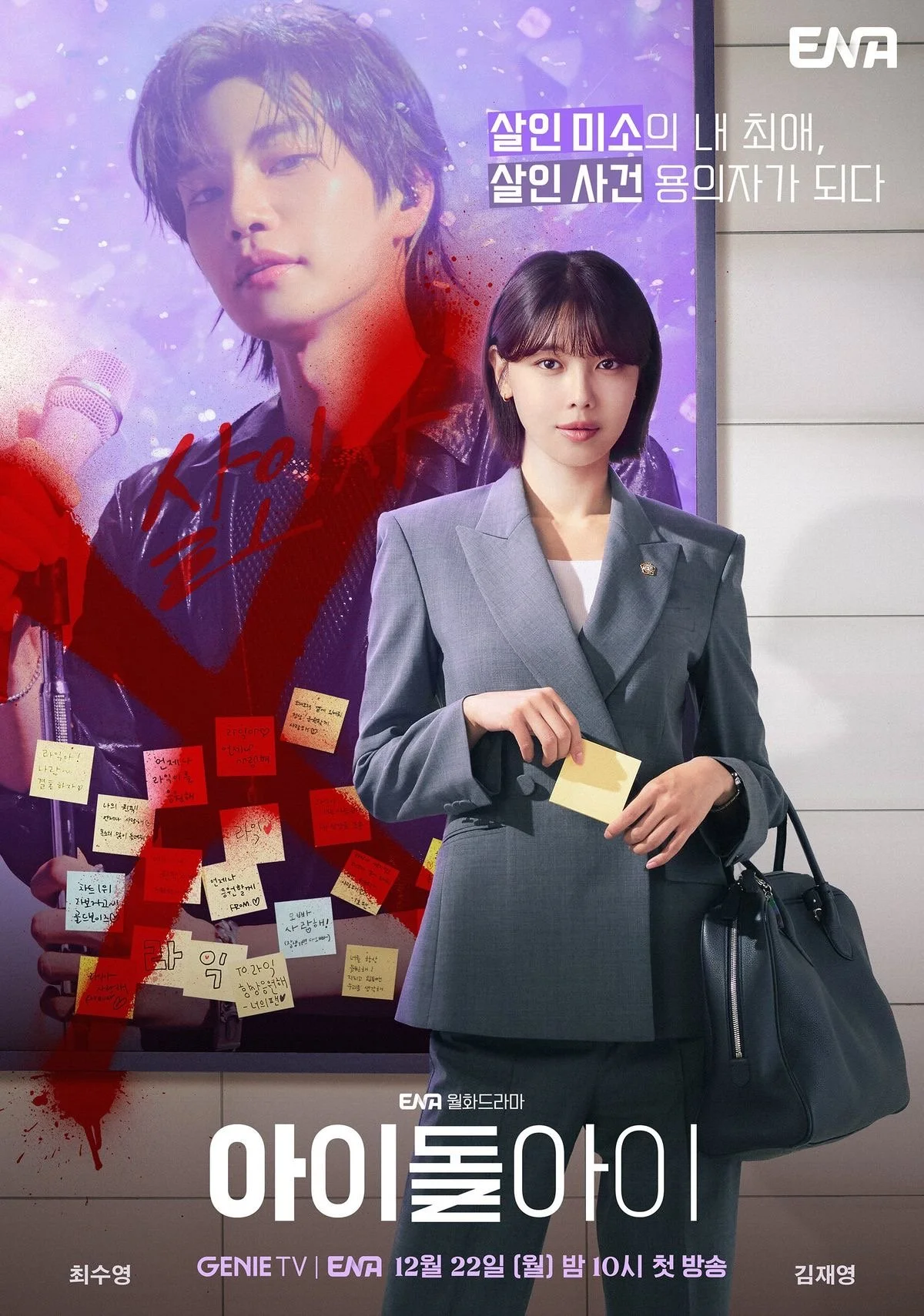
This portrayal mirrors how fandom actually functions today, like the scene where Se-na uses her expertise as a lawyer to confront an indivual in person for sniping concert tickets and trying to sell them way above asking price. This feeds into the narrative and shared idea of naivety in the fandom community are so madly in love with their bias groups that they’ll spend anything on a concert tickets. Engagement has become increasingly intentional and economically literate, especially among older fans who have the confidence and means to participate without apology. On resale platforms such as Global Bunjang, K pop merchandise makes up approximately 69 percent of all transactions, illustrating how fan objects are treated as long term cultural assets rather than impulse purchases. https://koreajoongangdaily.joins.com/news/2024-11-28/entertainment/kpop/Kpop-merchandise-made-up-69-of-transactions-on-Global-Bunjang-platform-says/2188476
The series reflects this reality by showing fans comparing prices, debating limited editions, and weighing emotional value against cost, which mirrors real world behaviour in an industry where merchandise has become one of the most reliable revenue streams. Major labels have leaned into this shift, with HYBE reporting a 70 percent year on year increase in merchandise and licensing revenue, underscoring how central fandom has become to the modern music economy. https://www.koreatimes.co.kr/www/art/2024/11/398_385216.
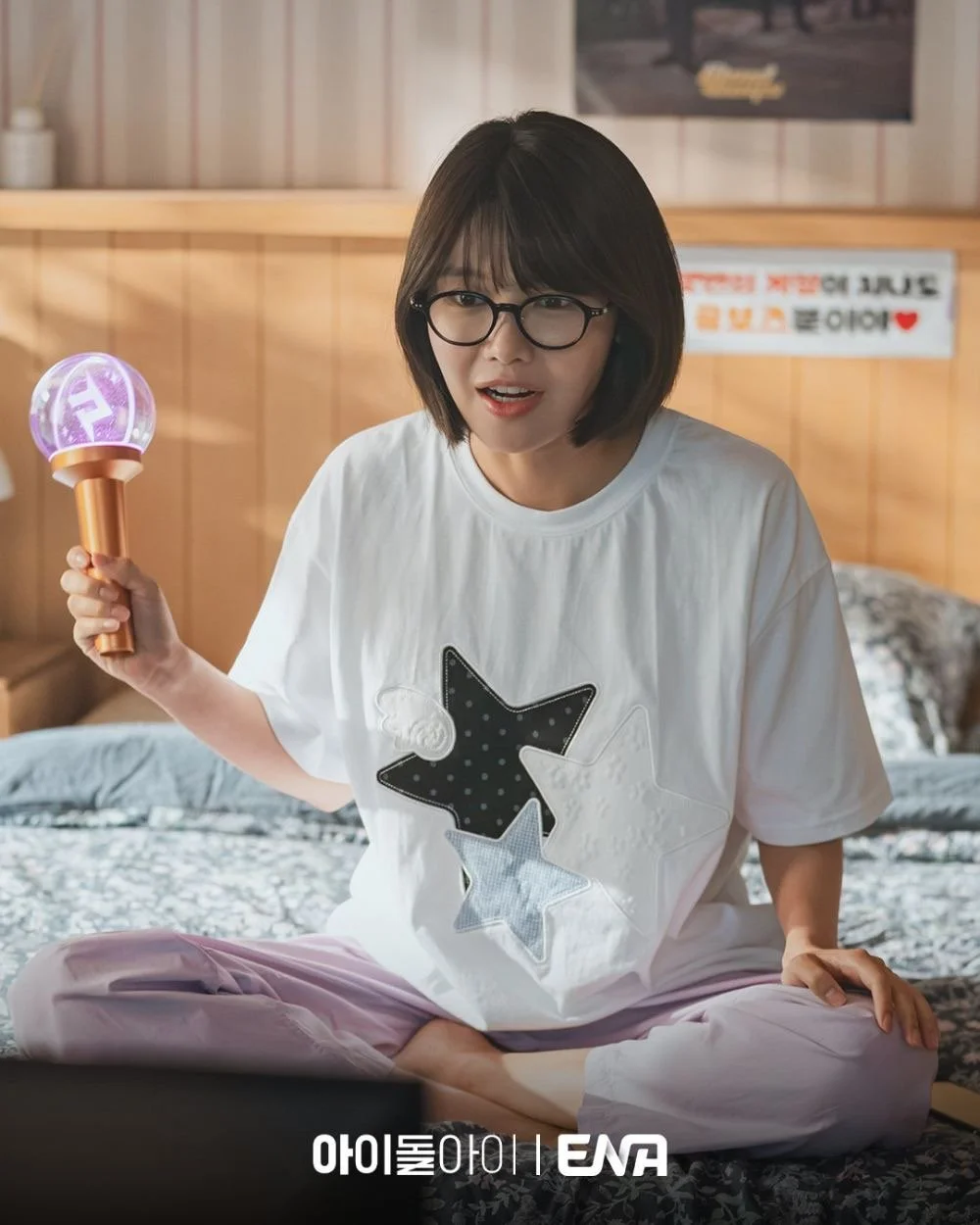
By portraying fangirls as adults with agency, I-DOL I challenges the tired assumption that devotion to pop culture is juvenile, offering instead a vision of fandom that is grounded, sustainable, and deeply human. Even when Se-na gets into a relationship with Do Laik she turns down his gifted concert tickets to take part in the ticketing war stating that it feels more real that way. What I also love the most is that she takes dedicated time off work to get the concert tickets, which I can’t lie I’ve done before, and then secures a ticket for herself and her moot!
I really quite enjoyed the complex portrayal of fangirls and how we can all be blurred into one. There was a clear breakdown of sasaengs and how companies turn a blind eye to their behaviour, there have been so many cases of them breaking into idols houses but with little arrest. Overall, even though the final episode felt slightly longwinded I enjoyed the series, if you love an easy watch mixed with some thriller this might be the show for you.
