NWJNS Never Die.
Why Danielle’s exit will not break the fandom and why merch prices tell the real story
When Danielle’s removal from NJWNS was announced, the timeline did not fracture so much as brace itself, because within our fandom there is a long memory about what it feels like to watch something you love change and shift before your eyes. What followed was not chaos but cohesion, not detachment but a surge of collective attention that looked less like grief and more like insistence that the story mattered enough to fight over.
You saw it first in how fans pulled clips, interviews, behind the scenes footage, and early fan cams together in record time, turning social platforms into archives rather than battlegrounds, and then you saw it again in how fandom economics responded. In the broader world of K-pop merchandise, pricing trends have quietly reflected the growing value of scarcity and identity within fandom culture. Global merchandise revenue across major labels has surged, with HYBE reporting a 70 percent year-on-year increase in merch and licensing revenue and other giants including SM, YG and JYP each bringing in tens of billions of won from merch alone.

This matters because it shows how fans express value not just with views or streams but with wallets in ways that move markets. Merchandise is no longer a side income stream. It has become a core part of how modern fandoms embody their loyalty. Research shows that the average K-pop fan spends upwards of $145 per concert on multiple merch items, frequently buying four or more products in a single session, which positions merch not as a luxury but as a functional ritual of participation.
In the case of NJWNS, the prices on even basic items like official lightsticks or hoodies at recent shows have continued to climb, and while that can feel alienating in the moment, it also reflects a shift in how fandoms assign worth. When the announcement dropped, fans did not scatter. They leaned in. They bought, collected, traded and talked. They made being a fan an active, living practice instead of a passive identity tag.
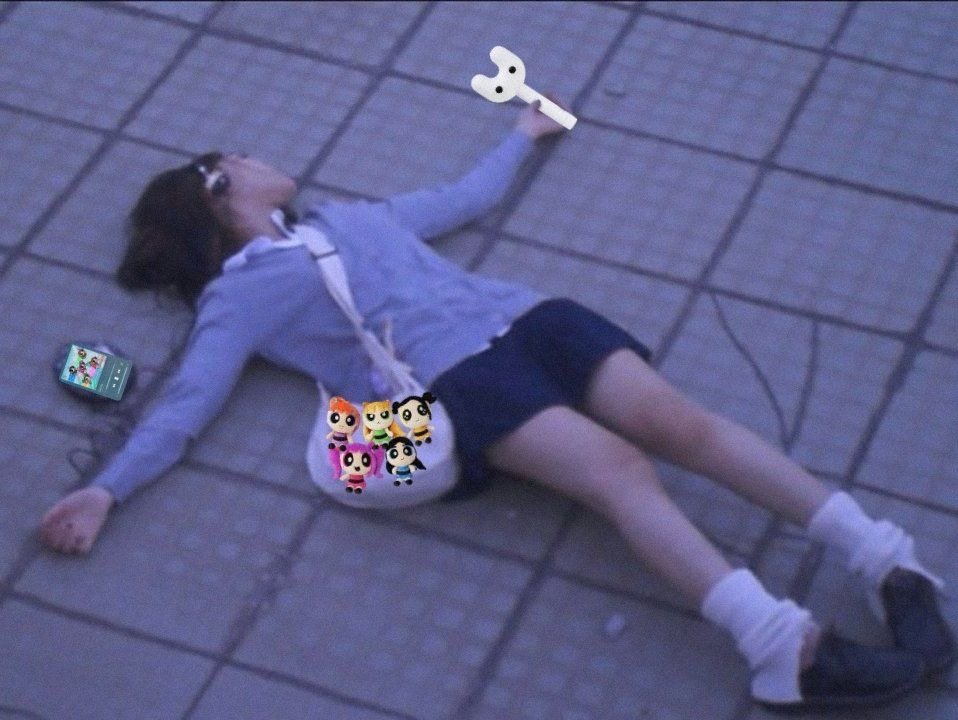
This is why the slogan NJWNS Never Die means more than a meme. It is an economic declaration as much as an emotional one. When Danielle left, the fandom did not shrink. It reorganized. And in doing so, it generated tangible value in merch revenue statistics, in market growth figures, and in the shape of lines at official pop-up stores and concert booths worldwide.
Fandom does not survive on perfection.
It survives on memory, meaning, and the willingness to show up again and again.
